Lit Mag Craft Insights
〰️
On Your Side of Submittable
〰️
Lit Mag Craft Insights 〰️ On Your Side of Submittable 〰️
About Me
-
I’m obsessed with CNF craft, but I know how hard it can be to apply it to the work in front of you, especially when that work is personal.
I’m here to help you identify how craft principles can help your essays sing louder and grab the attention of magazines, while remaining unapologetically true to themselves.
Why not work for a lit mag? I love lit mags, but for now, I’m enjoying my time working with writers on the front end of the writing process, where puzzles are stickier and I can (selfishly, joyfully) help your work take shape.
-
7 years as an Essays Editor for The Rumpus
3 years of independent developmental editing for creative nonfiction projects, long and short
2 years in editorial leadership for phoebe journal
3 years pursuing my MFA in Creative Nonfiction at George Mason University
4 years tutoring and teaching in universities
8 years writing and editing marketing materials for higher education institutions
-
A collection of dance essays (see my bylines)
A Substack called Editor Outside, featuring reflections on the time I spend solo backpacking
(Forthcoming) A YouTube video series called “What Your Essay Is Hiding,” designed to provide micro support to nonfiction writers in times of curiosity and crisis.
-
My obsession with nonfiction is my favorite inheritance. My grandmother, Mona Faye Branca, was known to work her way through a pack of King-sized Snickers bars while editing manuscripts for the International Literacy Association, debris of all sorts covering a coffee table in her little house off the Chesapeake Bay. Without knowing this, I began editing written things handed to me when I was 10 years old. Some genes, it seems, insist on expression.
I followed my instincts to George Mason University, where I completed my MFA in Creative Nonfiction Writing under the guidance of Tim Denevi and Kyoko Mori. They taught me that the best nonfiction uses tools to establish trust with the reader, communicate the stakes of a project, orchestrate an essay experience that required just enough effort, and earn an ending.
I learned to begin an essay with a question, engineer a pivot to shape tension, and end the essay with another question. I was entreated to use form only in support of a meaningful function.
I gathered that the trick to much of this was to understand what your essay was really about: what it was hiding.
I think Mimi would have squeezed her eyes shut and laughed at all of this. She was a woman of few words, but enthusiastic expressions.
Still, she had opinions on the books she read. She seemed to know if writing rang true or not—something I’m told I’m good at, too. Maybe in that sense our craft approaches aren’t so different. Our sweet tooths aren’t either.
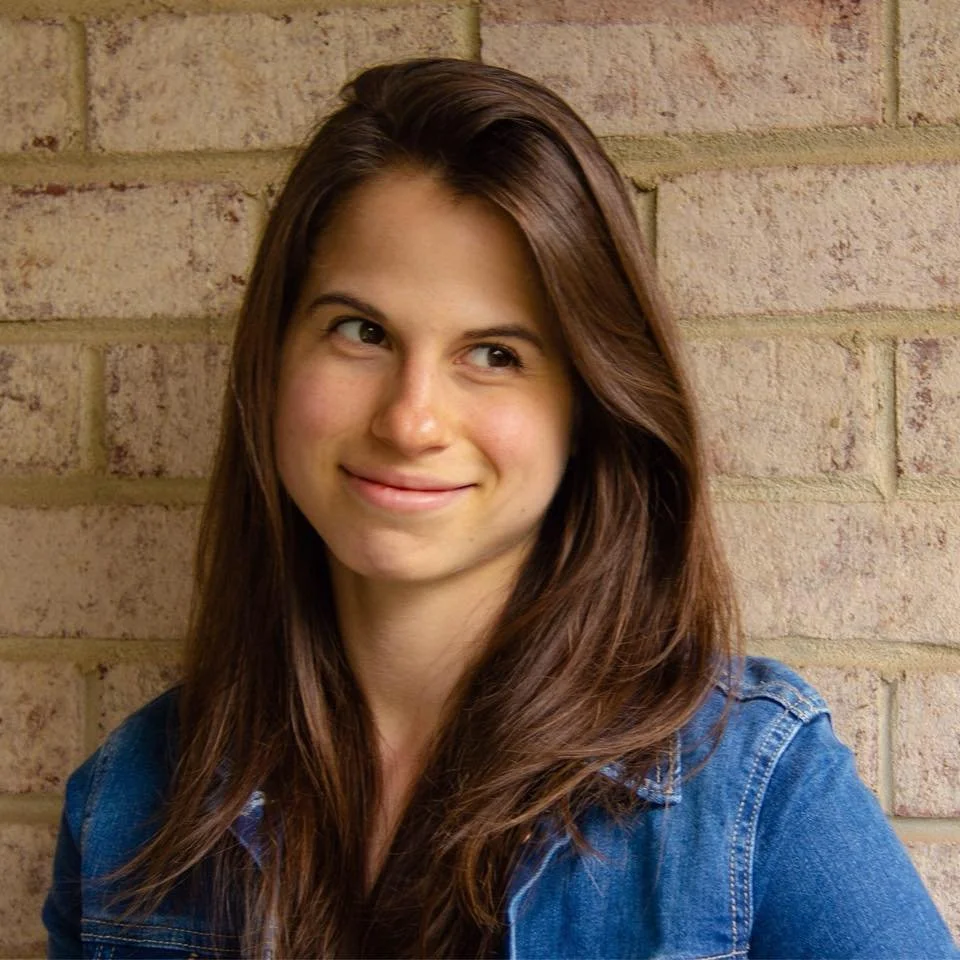
Me.
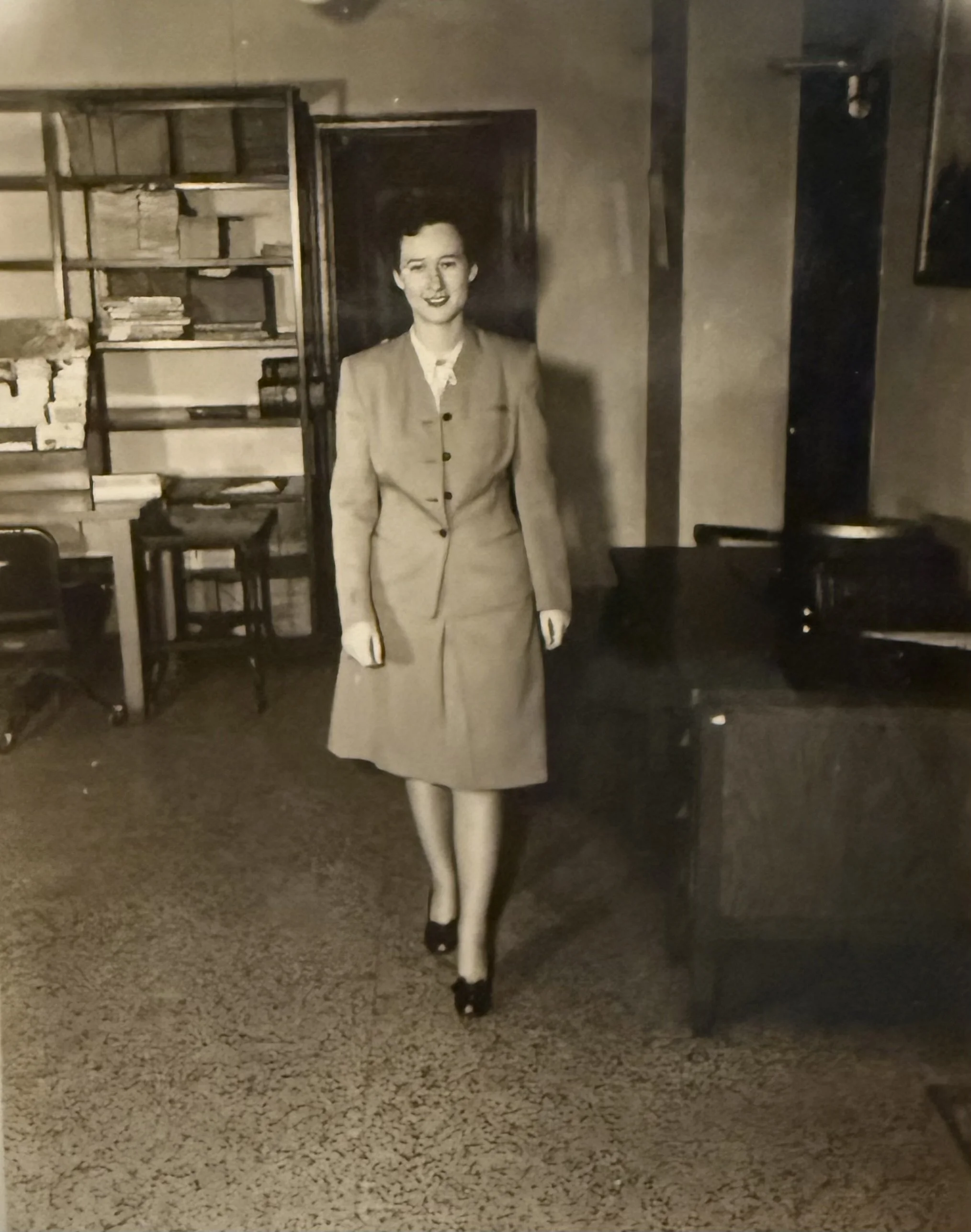
Mona Faye Branca.